 Call Us :- 08045815518Call Us :- 08045815518

 Send Inquiry
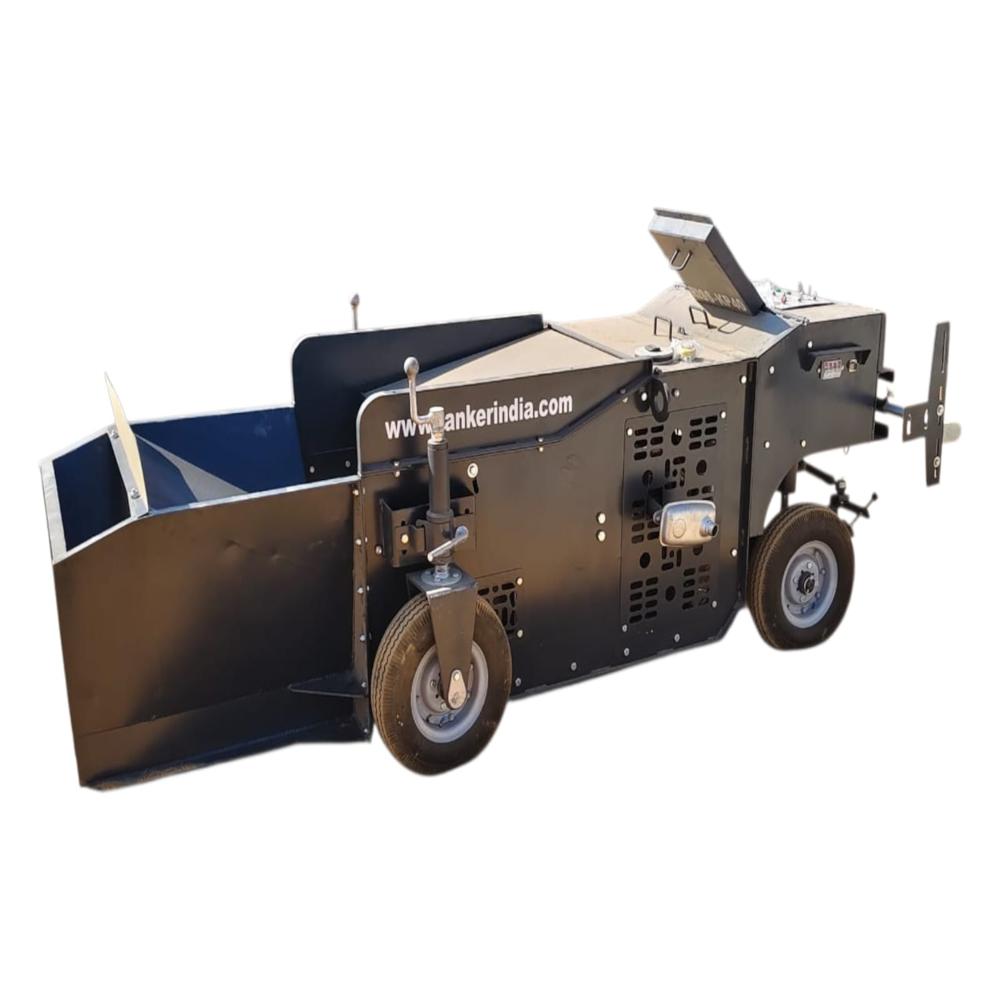
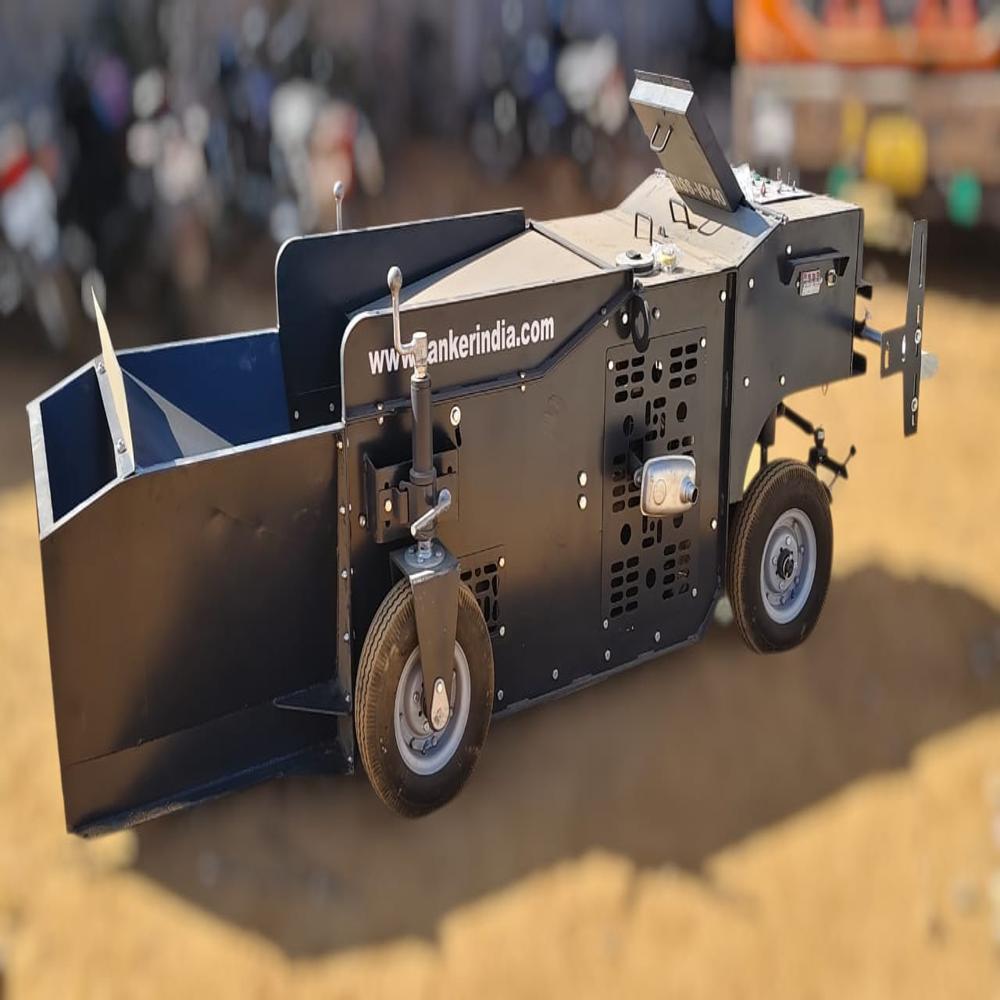
Concrete Kerb paver
Price 600000.0 INR/ Number
MOQ : 1 Number
Concrete Kerb paver Specification
- Product Type
- Concrete Kerb Paver
- General Use
- Kerbing/Paving for roads, walkways, landscapes
- Material
- Concrete
- Type
- Kerb Paver
- Capacity
- Standard/Custom sizes available
- Weight (kg)
- Approx. 25-35 kg per piece
- Computerized
- No
- Automatic
- No
- Dimension (L*W*H)
- 500mm x 300mm x 150mm (customizable)
- Feature
- High Strength, Weather Resistant, Durable Finish
- Color
- Grey
- Mechanical Precision
- Standard Tolerances
- Control System
- Manual
- Edge Type
- Chamfered or Straight
- Water Absorption
- <7%
- Weather Resistance
- Excellent (UV and fade resistant)
- Packing
- Loose/On Pallets/Shrink Wrapped
- Surface Finish
- Smooth/Shot blasted/Exposed as required
- Shape
- Rectangular, Bevelled edge, Custom shapes available
- Usage/Application
- Road Edge Restraint, Pavement, Walkways, Landscapes
- Compressive Strength
- M30 to M50 (as per requirement)
- Installation Method
- Manual / Mechanical placement
- Thickness Tolerance
- 3 mm
Concrete Kerb paver Trade Information
- Minimum Order Quantity
- 1 Number
- Delivery Time
- 1 Week
About Concrete Kerb paver
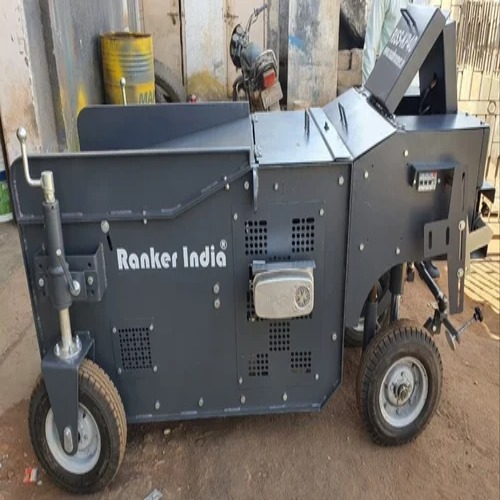
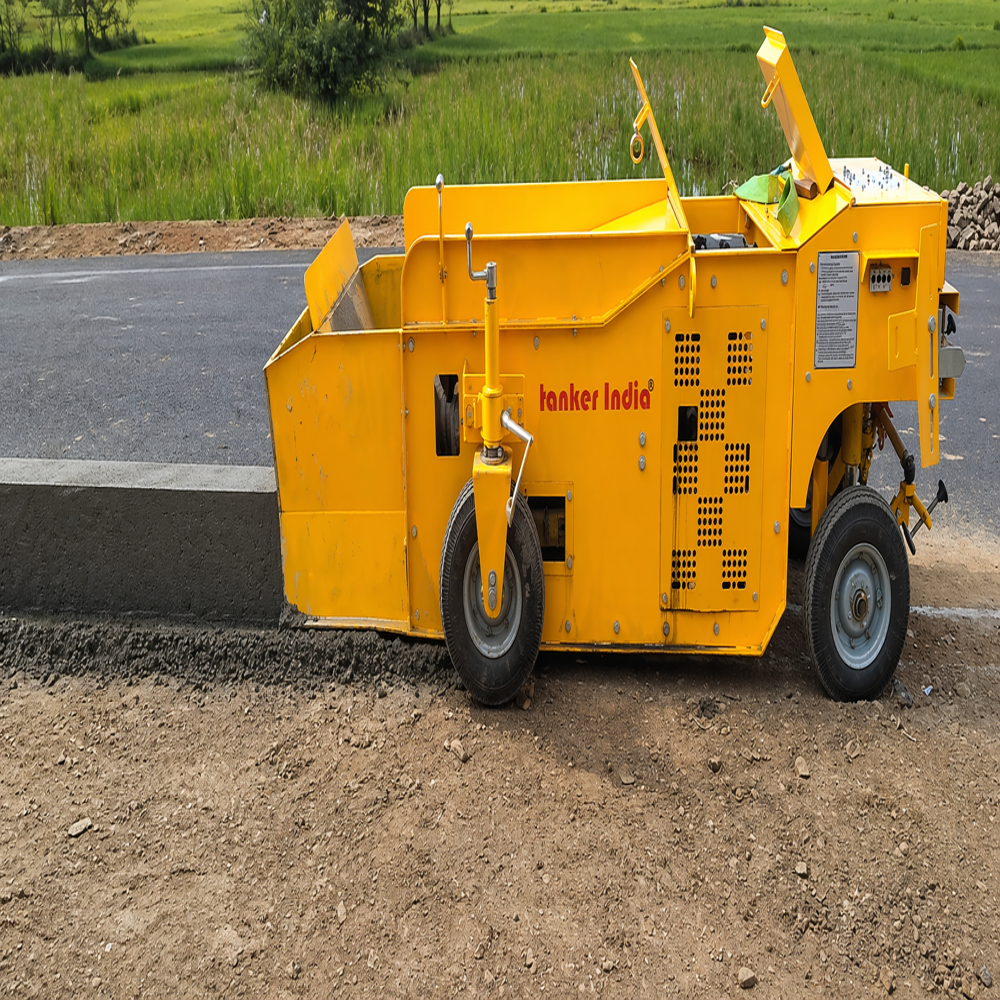
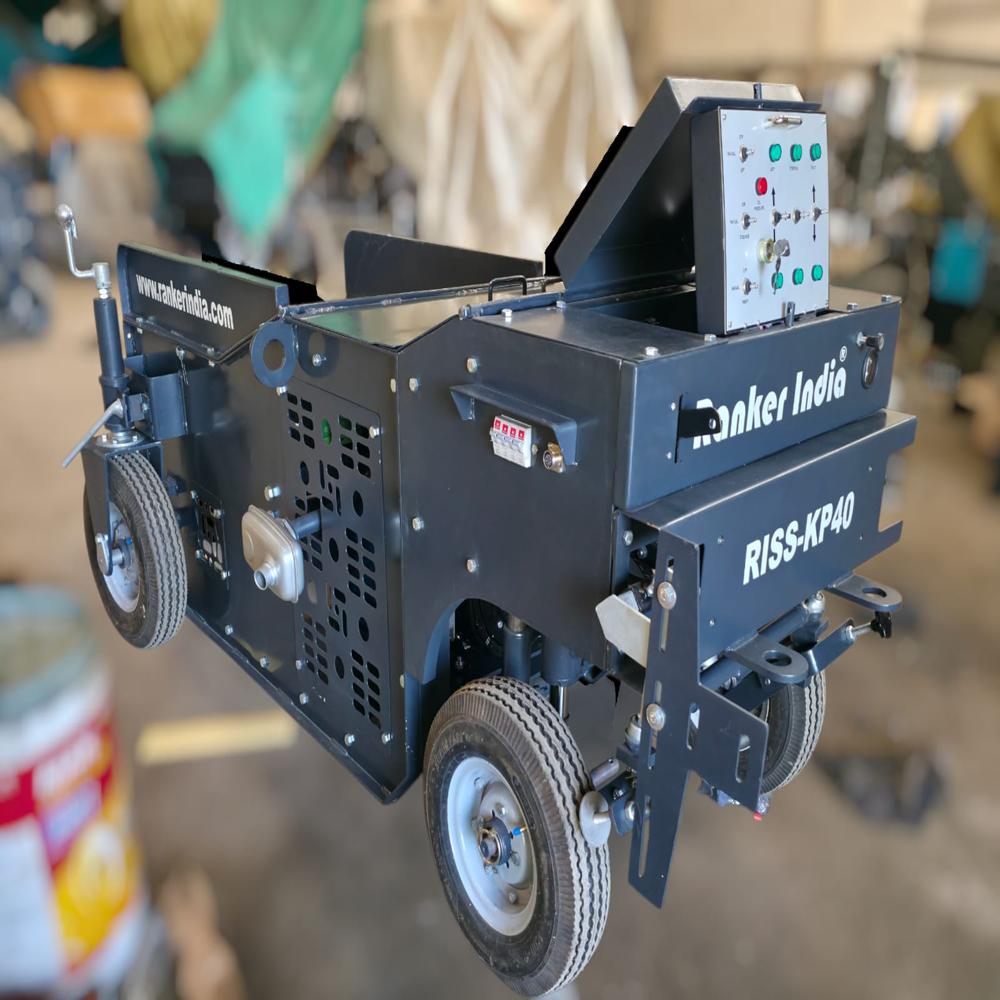
- Technical Specifications of the kerbing machine
- engine : 10 hp greaves diesel engine
- steering control : auto/manual
- height control : auto/manual
- hydraulic pump: variable displacement axial pump
- drives main drive: - duplex chain / hydraulics- v belt
- solenoid valves : 12 v dc
- compaction method by ramming mechanism
- minimum radious of kerb 2. 4 mtr
- laying capacity (w x h) 400mm x 400mm
- stroke / min 25 max.
- size of tyres 4. 00 x 8. 00 (6 ply - 4 nos. )
- diesel tank capacity 8. 5 ltrs
- hydarulics tank capacity 6. 5 ltrs
- slump range zero slump
- details of vibrators nill
- fuel (diesel ) consuption 1. 6 ltrs diesel / hour
- length ( without mould ) 1945 mm
- lenghth ( with mould ) 2715 mm
- height 930 mm
- width 1155 mm
- weight with mould 915 kgs.
- material feeding concrete :by transit mixer or a flat bed truck (tractortrolley )
- charge hopper capacity : 0. 21 qubic meter.
Superior Durability and Weather Resistance
Concrete Kerb Pavers are crafted to withstand harsh environmental conditions, with outstanding resistance to UV rays, fading, and moisture. Their high compressive strength (M30-M50) ensures minimal wear over time, delivering long-lasting structural integrity for roads, walkways, and landscaped spaces.
Flexible Shapes and Custom Sizing
Choose from standard rectangular, bevelled edge designs or request custom shapes and sizes to match project specifications. Our pavers offer the flexibility required for both functional and aesthetic applications in urban development, accommodating unique architectural needs with precise thickness tolerance.
Easy Installation and Versatile Applications
Installation is streamlined, with options for manual or mechanical placement based on site conditions. The pavers are suited to various usage scenarios including road edges, pavements, and outdoor landscapes, making them ideal for both small-scale and large-scale infrastructure projects.
FAQ's of Concrete Kerb paver:
Q: How are Concrete Kerb Pavers installed on site?
A: Concrete Kerb Pavers can be installed using manual or mechanical placement methods. The choice depends on the project scale, site access, and efficiency requirements. Proper surface preparation and alignment are crucial for optimal and lasting results.Q: What surface finishes are available for these kerb pavers?
A: Our kerb pavers are offered in three types of surface finishes: smooth, shot blasted, and exposed aggregate. Customers can select the finish that best matches their project's visual and functional requirements.Q: When should I choose a custom shape or dimension for a kerb paver?
A: Request a custom shape or size when standard dimensions or designs do not suit your project's needs. Customization is recommended for unique architectural features, specific site constraints, or aesthetic integration with existing infrastructure.Q: Where can Concrete Kerb Pavers be effectively utilized?
A: These pavers are ideal for use in road edge restraint, pavements, pedestrian walkways, and landscaped surroundings. They provide reliable edge support and a durable, aesthetically pleasing boundary in both public and private spaces.Q: What is the benefit of the high compressive strength of the kerb pavers?
A: High compressive strength (ranging from M30 to M50) ensures that the pavers can withstand heavy loads, repeated impact, and harsh weather conditions, reducing the risk of cracking or damage over time.Q: How does the weather resistance of the pavers enhance their lifespan?
A: Superior UV and fade resistance, along with low water absorption, means these kerb pavers resist discoloration, structural weakening, and frost damage, making them a durable solution that maintains its appearance and integrity for years.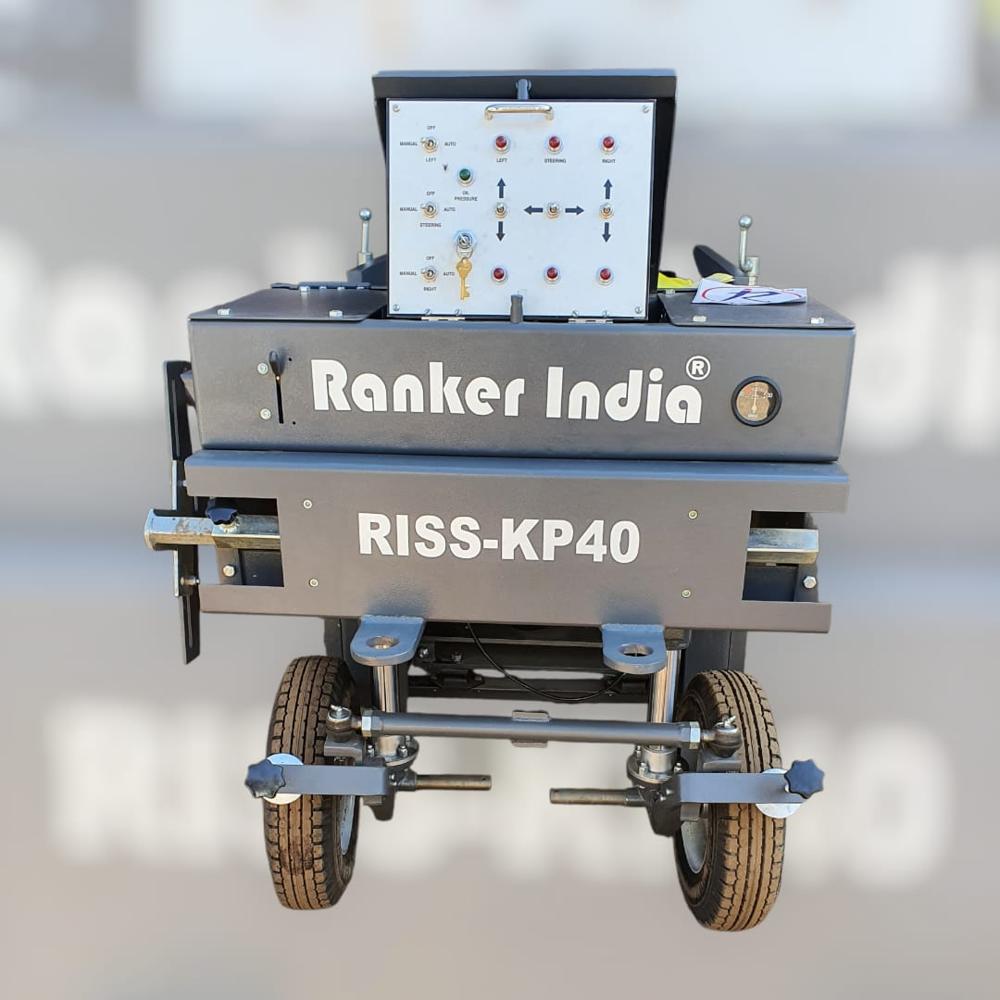
Tell us about your requirement

Price:
Quantity
Select Unit
- 50
- 100
- 200
- 250
- 500
- 1000+
Additional detail
Mobile number
Email

More Products in Concrete Kerb Laying machine & Curb Cutter Category
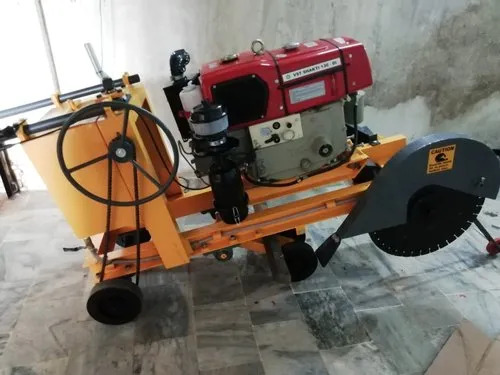
Vst Shakti 13 Hp road Cutting Machine
Price 135000 INR / Piece
Minimum Order Quantity : 1 Piece
Drive Type : Other, Diesel Engine, Chain Drive
Material : Other, Steel (Chassis)
Type : Other, Road Cutting Machine
General Use : Road Cutting, Slotting, Grooving
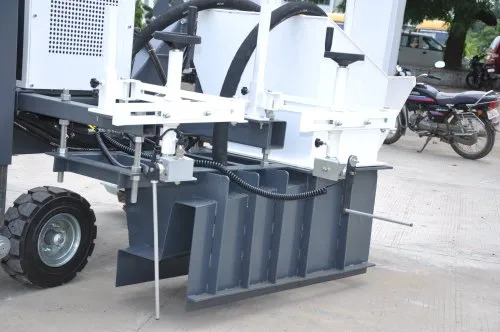
Kerb Paver Road Kerbing Machine
Price 55000 INR / Piece
Minimum Order Quantity : 1 Piece
Drive Type : Other, Automatic
Material : Other, Mild Steel
Type : Other, Kerb Paver Road Kerbing Machine
General Use : Road Divider Curbing, Construction
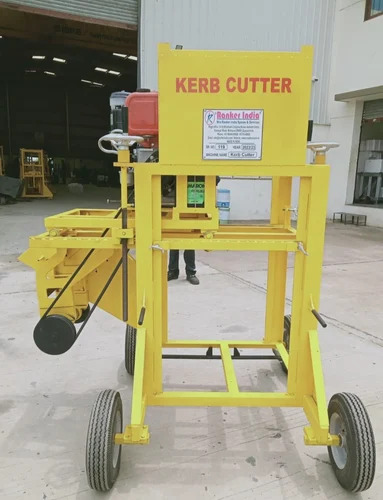
Concrete Kerb Cutting Machine
Price 140500 INR / Piece
Minimum Order Quantity : 1 Piece
Drive Type : Other, Diesel Engine
Material : Other, Mild Steel
Type : Other, Push Type
General Use : Kerb Cutting
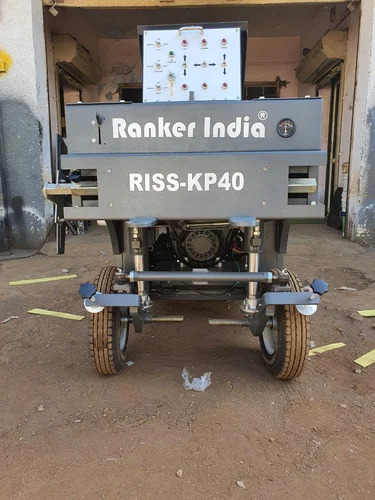
Concrete Curb Machine
Price 600000 INR / Piece
Minimum Order Quantity : 1 Piece
Drive Type : Other, Semi Automatic
Material : Other, Concrete Divider
Type : Other, Extruder Kerb
General Use : Road Kerb, Pavement

Contact Details

- Regd.office : S-10, Shubham Complex, Manav Utthan Ashram Circle, Visnagar Road,Mehsana - 384001, Gujarat, India
- Phone : 08045815518
RANKER INDIA SPARES & SERVICES
GST : 24AAMFR4364A1ZE

- Mr Sanni Kumar Prajapati (Customer Care Head)
- Mobile : 08045815518
- Send Inquiry
- Mobile Number-9909495508
 Send Inquiry
|


 Send Inquiry
 Send SMS
RANKER INDIA SPARES & SERVICES
All Rights Reserved.(Terms of Use)
Developed and Managed by Infocom Network Private Limited.
Developed and Managed by Infocom Network Private Limited.


 English
 Spanish
 French
 German
 Italian
 Chinese (Simplified)
 Japanese
 Korean
 Arabic
 Portuguese